Little Fairy Embroidery: A Pro Review for Branded Merch
As an embroidery designer who has spent years digitizing and reviewing files for commercial use, I approach every new machine embroidery design with a critical eye. It is not just about whether a file looks cute on a screen; it is about how that digital embroidery file translates into a tangible asset for a small business. Today, I am reviewing the Little Fairy Embroidery design, specifically evaluating its potential for branded merchandise, patches, and custom apparel.
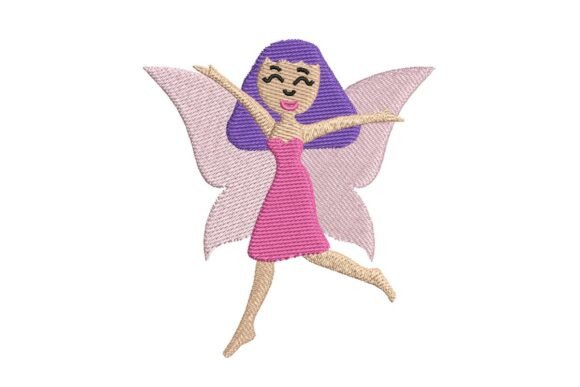
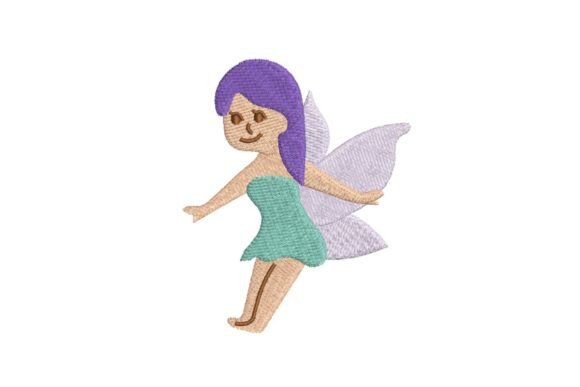
The first impression of this design is undeniably whimsical. Featuring a charming girl fairy with distinct purple hair, it leans heavily into the Fairy Tales category while maintaining a modern, playful aesthetic. For boutique owners, creative studios, or handmade brands, this visual personality is a goldmine. It feels friendly and approachable, yet detailed enough to suggest quality craftsmanship. However, when we move from "cute" to "commercial," we must analyze how this design performs under the needle in real-world scenarios.
Visual Personality and Brand Identity Impact
In the world of small business merch, visual consistency is key to building trust. The Little Fairy Embroidery offers a specific vibe: magical, youthful, and artisanal. If you run a bakery, a florist, a children's boutique, or a pet brand, this design can instantly communicate your brand values without needing words. It adds a layer of storytelling to your brand identity.
When used as a chest logo accent on staff uniforms or as a sleeve detail, this fairy character humanizes the business. It tells customers that there is a person behind the product, someone who cares about details and magic. For Etsy sellers and crafters, incorporating such a distinct character into packaging accents or hang tags elevates the perceived value of the finished product. It transforms a standard transaction into a memorable experience, fostering buyer engagement and recognition.
Real-World Applications for Commercial Embroidery
Let's break down where this design shines in a commercial setting. The availability of five sizes is a significant advantage, offering flexibility for various applications:
- Embroidered Patches: This is perhaps the strongest use case. A medium-sized patch featuring the fairy can be sewn onto tote bags, denim jackets, or canvas aprons. Patches allow for high-density stitching that captures the detail of the purple hair and facial features without compromising the fabric.
- Cap Embroidery: Placing a smaller version of the design on the side panel of a baseball cap or beanie creates a subtle but effective branding mark. It works well for cafes or shops wanting to offer branded headwear to staff or loyal customers.
- Apron Embroidery: For bakeries and florists, an apron is a walking billboard. Positioning the fairy near the pocket or on the bib adds a touch of personality to the uniform, making staff easily identifiable while reinforcing the shop's whimsical theme.
- Tote Bag Design: Canvas totes are staples for retail. The contrast of the fairy's vibrant colors against natural canvas creates a striking printable mockup opportunity for marketing materials before you even stitch the first thread.
- Product Labels: On a larger tote or a blanket, a small iteration of this design can serve as a woven-label alternative, acting as a signature mark of authenticity for handmade goods.
Technical Considerations and Stitching Challenges
While the artistic merit of Little Fairy Embroidery is clear, a professional review must address the technical hurdles. Whimsical designs often come with complex outlines and varied thread colors. Before running a production batch, you must consider the following:
Stitch Density and Fabric Texture: Designs with fine details, like a fairy's wings or hair strands, can suffer if the stitch density is too high for the chosen material. On thick fabrics like twill or denim, this is rarely an issue. However, if you plan to embroider this on lightweight poly-cotton shirts or textured knits, you risk puckering. Always test on a scrap piece of the actual fabric texture you intend to use.
Small Patch Sizes: If you utilize the smallest size included in the package for a tiny label or a child's garment, inspect the spacing carefully. Fine lines may merge together if the design is scaled down too far. Ensure the hoop size you select allows for proper stabilization without distorting the image.
Color Contrast on Dark Uniforms: The description highlights purple hair, which is beautiful but requires careful thread selection when working on navy or black uniforms. You may need to adjust the underlay or add a white backing to ensure the colors pop and do not get lost in the dark background.
Designer Notes for Production Success
To ensure the Little Fairy Embroidery meets professional standards, I recommend the following workflow before committing to a large order of custom apparel or merchandise:
- Test in Black and White First: Remove the color variable to check the integrity of the stitches. If the design holds up in monochrome, the structure is sound.
- Verify Stabilizer Requirements: Given the likely detail in a character design, using a cut-away stabilizer is often safer than tear-away for items that will undergo frequent washing, such as staff uniforms or daily-use tote bags.
- Create a Mockup: Before showing the concept to a client, generate a realistic mockup. Compare the fairy beside other existing design assets to ensure visual harmony within your brand ecosystem.
- Check Licensing Terms: This is crucial for commercial embroidery. The product description mentions it is a design for projects, but you must confirm the specific license allows for unlimited resale on physical goods. Do not assume; read the terms provided with the embroidery file.
- Review File Formats: Ensure the download includes the specific format compatible with your machines (PES, DST, EXP, etc.) to avoid conversion errors that could alter stitch paths.
Final Verdict on Business Viability
The Little Fairy Embroidery design is more than just a decorative element; it is a versatile tool for brand storytelling. Its strength lies in its ability to convey warmth and creativity, making it ideal for businesses that rely on a personal connection with their customers. Whether used as a standout feature on a limited-edition hoodie or a consistent mark on employee aprons, it has the potential to enhance product value and customer loyalty.
However, success depends on execution. By respecting the limitations of stitch density, choosing the right hoop size, and rigorously testing on final fabrics, you can transform this digital file into a premium physical asset. For those in the Fairy Tales niche or any brand looking to inject a bit of magic into their handmade product line, this design is a worthy investment, provided the technical details are managed with professional care.