Minimalist Floral Stem Embroidery Design Review
As a designer who spends more time staring at stitch simulations than I do sleeping, I approach every new machine embroidery design with a healthy dose of skepticism. The market is flooded with generic florals that look great as a thumbnail but turn into a bird's nest of thread breaks and puckering once they hit the hoop. So, when I pulled up the Minimalist Floral Stem Embroidery Design, my first instinct was to look for the traps. What I found instead was a refreshing exercise in restraint that feels genuinely useful for modern custom apparel and boutique branding.
The Aesthetic: Less Noise, More Style
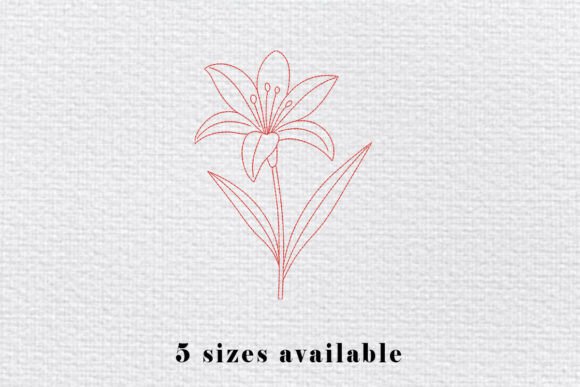
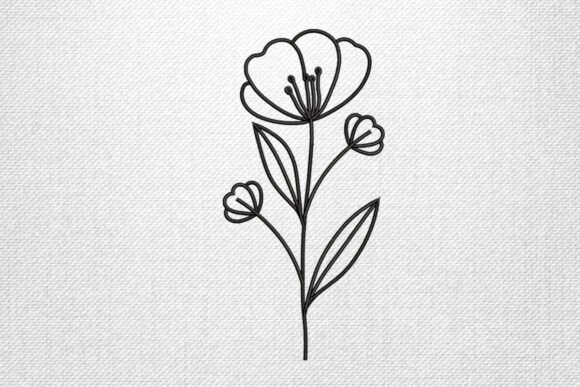
The immediate impression of this Outline Flowers piece is its airiness. In an era where dense, heavy fills dominate many catalogs, this design chooses to let the fabric breathe. It features a delicate flower with buds and leaves, rendered primarily through clean lines rather than solid blocks of color. This visual personality suggests a mood of calm sophistication. It doesn't scream for attention; it whispers quality.
For those of us creating handmade products for a discerning clientele, this subtlety is gold. The layout is vertical and organic, making it incredibly versatile. It lacks the rigid symmetry that often dates embroidery projects, giving it a hand-drawn feel that resonates well with current trends in boho-chic and minimalist fashion. Whether you are aiming for a personalized gift or building a cohesive brand identity for a small shop, this design offers a professional finish without looking overly manufactured.
Real-World Application: The Tote Bag Test
To truly evaluate an embroidery file, you have to imagine it on a physical object. I visualized this design on a natural canvas tote bag design project—a staple for any Etsy seller or craft fair vendor. Because the design relies on outlines, it sits beautifully on textured fabrics like canvas or linen blends. Heavy fill stitches can sometimes get lost or distort on rough weaves, but the linear nature of this floral stem maintains its clarity.
I also pictured this on a heather grey crewneck sweatshirt. Sweatshirt embroidery can be tricky due to the fleece backing and potential for shifting, but the open structure of this design minimizes the risk of the fabric pulling or distorting under tension. It would look equally striking on the cuff of a sleeve or centered on the chest. For baby embroidery projects, the lack of dense stitching means the finished product remains soft against sensitive skin, a crucial selling point for parents buying boutique children's wear.
Versatility Across Products
The utility of this design extends far beyond bags and sweaters. Here is where I see it shining in a commercial context:
- Aprons and Kitchen Towels: The vertical stem works perfectly along the hem of a tea towel or the bib of an apron, adding a touch of elegance to home goods.
- Patches: With the right border settings (which you would need to add digitally), this could become a stunning embroided patch for jackets or hats.
- Holiday Gifts: It serves as a subtle accent for holiday embroidery projects, avoiding the kitsch factor while still feeling festive when paired with seasonal thread colors.
- Boutique Branding: Small businesses can use this as a logo mark or a recurring motif on packaging and tags to establish brand consistency.
Technical Considerations and Fabric Choices
While the design is robust, it is not without its technical nuances. As a reviewer, I must point out where caution is needed. Because this is an outline-heavy design, the choice of thread colors and fabric texture becomes paramount. On dark fabrics, you will need high-contrast thread to ensure the delicate lines don't disappear. A navy thread on a black shirt might look sophisticated in person, but it could vanish entirely in product photography or printable mockups.
Furthermore, when working with stretchy fabrics like jersey knits for t-shirts, the stitch density—while generally low here—still requires a high-quality stabilizer. Even light designs can cause tunneling if the stabilizer isn't cut away properly or if the hooping tension is too tight. I strongly advise testing the design on scrap fabric first, especially if you plan to offer this as a service for commercial embroidery clients who expect durability after frequent washing.
Curved surfaces present another challenge. If you intend to place this on a cap, be mindful of the seam. The long, straight stem of the flower might bridge a gap awkwardly if not positioned correctly relative to the cap's front panel curve. Always check the hoop size compatibility; while the description mentions three sizes, ensure the smallest version retains enough detail to be recognizable when stitched out at a reduced scale.
Enhancing Perceived Value
One of the most significant advantages of using the Minimalist Floral Stem Embroidery Design is the perceived value it adds to the finished product. Customers often associate intricate, dense stitching with higher costs, but there is a growing market segment that values precision and minimalism just as highly. Clean lines demonstrate confidence in execution. There is nowhere for poor tension or sloppy trimming to hide in an outline design.
For digital product sellers and creative entrepreneurs, this design acts as a strong asset. It photographs exceptionally well because it doesn't create harsh shadows or bulky textures that distract from the garment itself. This makes creating marketing materials, such as social media posts or website banners, much easier. The design supports the narrative of "thoughtful craftsmanship," which helps build customer trust and encourages buyer engagement.
Final Verdict for Designers and Makers
Before integrating this into your library of design assets, there are a few housekeeping items to address. Since the specific file formats and exact stitch counts aren't detailed in the brief description, you must verify these details upon download. Ensure the file type matches your machine's requirements and that the licensing terms allow for the small shop product volume you intend to produce. Some designers restrict the number of physical items you can sell, so always read the fine print.
Additionally, consider how this design interacts with other elements. If you plan to combine it with text or other graphics, remember that its lightness means it shouldn't be overwhelmed by heavier, bolder fonts. It pairs best with thin, sans-serif, or handwritten typography.
In conclusion, the Minimalist Floral Stem Embroidery Design is a practical, stylish choice for today's maker. It bridges the gap between hobbyist crafting and professional boutique quality. It respects the fabric it lives on and offers a timeless aesthetic that won't feel outdated next season. Whether you are decorating a single personalized gift or rolling out a new line of custom apparel, this design provides a reliable foundation for beautiful work. Just remember to respect the technical requirements of your specific fabric and machine, and you will find this little stem blooming successfully in many projects.