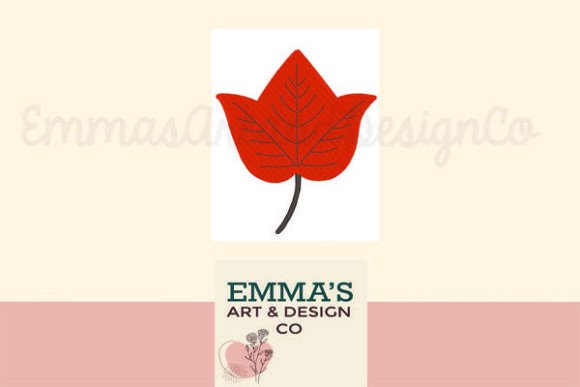
Reviewing Leaf Machine Embroidery for Holiday Projects
As a designer who spends more time staring at stitch simulations than I do sleeping, I have learned that not every machine embroidery design is created equal. Some look stunning on a screen but turn into a tangled mess of thread breaks and puckering on fabric. Others are workhorses—reliable, crisp, and versatile enough to carry a small business through its busiest season. When I first loaded the Leaf Machine Embroidery file into my software, I was looking for that specific balance of aesthetic charm and technical reliability. This review breaks down how this design performs in real-world scenarios, from custom apparel to boutique home goods.
First Impressions: Mood and Visual Personality
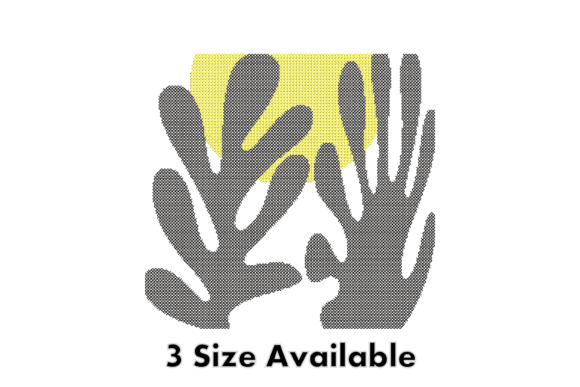
The immediate impression of this design is warmth. It captures the essence of Autumn without relying on cliché pumpkins or overly complex scenery. The layout feels organic, with a flow that suggests natural growth rather than rigid symmetry. For a designer, this is crucial. Rigid designs often look stiff when stitched out, especially on softer fabrics like cotton blends or fleece. The visual personality here is inviting and rustic, making it an ideal candidate for projects that aim to evoke comfort and nostalgia.
The detail level is moderate. It avoids the trap of being too intricate, which can cause issues with stitch density on smaller hoops, yet it offers enough texture to look professional up close. This balance makes it suitable for both high-end boutique items and quick-turnaround craft fair products. The theme is clearly tied to gratitude and harvest, but because it focuses on foliage, it has a longer shelf life than designs strictly labeled for Thanksgiving Day. You can sell these items from late September through November, maximizing your return on investment.
Real-World Application: From Screen to Stitch
To truly evaluate an embroidery file, you have to imagine it on actual products. I recently considered this design for a line of custom kitchen towels and tote bags for a local client. Here is how it holds up across different mediums:
- Kitchen Linens: On tea towels and napkins, the design shines. The open spaces in the leaf shapes allow the fabric texture to show through, preventing that heavy, cardboard-like feel that dense fills sometimes create. It adds festive charm to table settings without overwhelming the dining experience.
- Custom Apparel: For sweatshirt embroidery, this design works beautifully on the left chest or as a larger back piece. The curves of the leaves complement the drape of the fabric. However, when applying it to t-shirts, I recommend using a cut-away stabilizer to prevent distortion, as the weight of the thread needs support.
- Tote Bag Design: Canvas bags are sturdy, but they can be tricky if the design is too small. This leaf motif scales well. When enlarged for a tote, the individual stitches remain clear, and the overall shape retains its integrity. It creates a handmade product that feels thoughtful and artisanal.
- Holiday Gifts: Whether it is a personalized gift for a hostess or a baby embroidery project for a new arrival, the softness of the leaf theme appeals to a wide demographic. It is gentle enough for nursery decor but sophisticated enough for adult home goods.
Technical Considerations and Fabric Choices
While the design is versatile, it is not without its technical demands. As an experienced reviewer, I must point out where caution is needed. The success of any embroidery project depends heavily on the interaction between the thread, the fabric, and the stabilizer.
Fabric Texture and Weight: This design performs best on medium-weight woven fabrics like cotton, linen, or canvas. On textured fabrics like terry cloth or heavy fleece, you may lose some of the finer details. If you are stitching on dark fabric, pay close attention to your thread colors. A high-contrast palette is essential to ensure the leaf shapes pop. I always test my designs in black and white mockups first to check for value contrast before committing to colorful threads.
Stitch Types and Density: The design appears to utilize a mix of satin stitch for outlines and fill stitch for the body of the leaves. Satin stitches are gorgeous but prone to snagging if they are too long. Check the longest satin runs in your software; if they exceed 5mm, consider adding underlay or breaking them into smaller segments. The running stitch elements should be checked for visibility; on busy prints, they might disappear, so solid backgrounds are preferred.
Hoops and Curved Surfaces: If you plan to use this on caps or hats, be mindful of the hoop size and the curvature. Embroidering on curved surfaces requires careful hooping and often a different stabilizer strategy. Ensure the design fits within your available hoop area without hitting the edges, which can cause needle breaks.
Commercial Viability for Etsy Sellers and Makers
For the Etsy seller or small shop owner, the visual appeal of a design directly impacts buyer engagement. This Leaf Machine Embroidery design offers strong brand consistency for shops focused on natural, rustic, or farmhouse aesthetics. It photographs well, which is critical for creating effective printable mockup images and digital product previews.
When selling finished products, customer trust is built on quality. A clean, well-digitized design signals professionalism. Sloppy stitching or excessive pull compensation can make a handmade item look amateurish. This design, when stitched correctly, elevates the perceived value of the finished product. It is suitable for commercial embroidery projects, allowing you to create inventory for craft fairs or online listings with confidence.
However, always verify the license terms. While many designers allow commercial use for physical items, restrictions may apply to selling the digital embroidery file itself. Confirm whether you can use it for unlimited productions or if there are caps on quantity. This due diligence protects your craft business from legal issues down the line.
Practical Designer Notes for Best Results
Before you run this design on your final product, follow these practical steps to ensure success:
- Test on Scrap Fabric: Never skip this step. Use the same fabric and stabilizer combination you plan to use for the final item. This reveals any tension issues or registration errors.
- Check Stabilizer Choice: For woven fabrics, a tear-away may suffice, but for knits or stretchy materials, always use a cut-away stabilizer to maintain shape after washing.
- Inspect Small Details: Zoom in on your machine’s screen or software. Look for tiny jumps or unnecessary trims that could weaken the structure.
- Thread Contrast: Choose thread colors that complement the fabric. Earth tones like rust, olive, mustard, and cream work exceptionally well with this autumn-themed design.
- Wash Testing: If the item is intended for frequent use, such as an apron or kitchen towel, wash the test piece to check for shrinkage or thread bleeding.
In conclusion, Leaf Machine Embroidery is a solid addition to any designer’s library. It balances aesthetic appeal with technical practicality, making it a reliable choice for a wide range of applications. By understanding its strengths and respecting its limitations, you can create beautiful, high-quality items that resonate with customers and stand the test of time. Whether you are decorating a single personalized gift or stocking a small shop product line, this design offers the versatility and charm needed to succeed in the competitive world of handmade goods.