Squash Machine Embroidery: A Designer's Review for Branding
As an embroidery designer who spends most of my days digitizing logos and troubleshooting stitch-outs for small businesses, I approach every new machine embroidery design with a critical eye. It is not just about whether a file looks cute on a screen; it is about how that digital embroidery file translates into a tangible asset that builds brand identity. Recently, I evaluated the Squash Machine Embroidery design, specifically looking at its potential for small business merch, branded patches, and seasonal promotional items. Given its categorization under Thanksgiving, this asset offers a unique opportunity for bakeries, cafés, and boutique owners to capitalize on autumn trends while maintaining a professional aesthetic.
First Impressions: Visual Personality and Market Fit
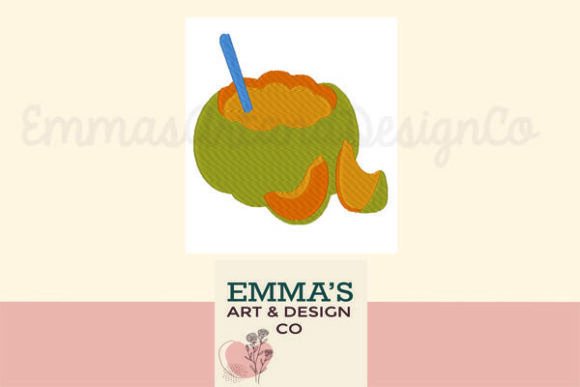
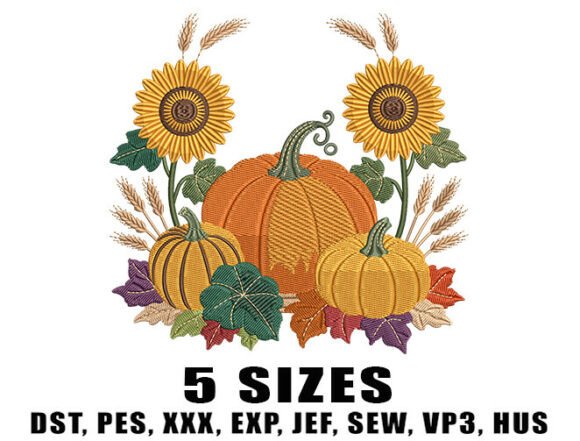
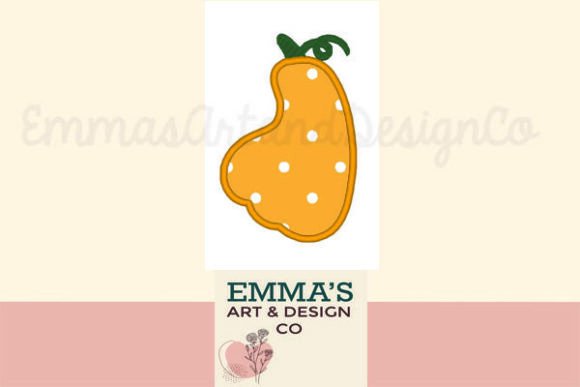
Upon loading the preview of Squash Machine Embroidery, the immediate impression is one of warmth and rustic charm. The description notes that this is a "beautiful filled embroidery design," which suggests a solid satin or fill stitch approach rather than a sketchy, running-stitch style. For business owners, this is crucial. A filled design typically reads as more premium and durable, making it ideal for custom apparel and high-traffic items like uniforms. The visual personality strikes a balance between playful and classic. It avoids being overly cartoonish, which allows it to sit comfortably on a sophisticated tote bag or a staff apron without diminishing the perceived value of the brand.
For handmade brands and Etsy sellers, the "handmade" feel of embroidery is a massive selling point. This design leverages that sentiment perfectly. Whether you are a florist creating holiday arrangements or a pet brand launching a fall collection, the squash motif signals seasonality without screaming "disposable decoration." It feels grounded, organic, and inviting—traits that foster customer trust and engagement.
Real-World Application in Commercial Embroidery
The true test of any embroidery file is its versatility across different substrates. In my review of Squash Machine Embroidery, I envisioned several specific use cases for local businesses:
- Embroidered Patches: This is perhaps the strongest application. A well-digitized filled squash makes an excellent iron-on or sew-on patch. Bakeries could use these as limited-edition accents on packaging or sell them as collectible pins. Because patches are removed from the tension of the garment during stitching, the fill density can be optimized for a smooth, glossy finish that pops.
- Staff Uniforms and Aprons: For a café or creative studio, apron embroidery is a staple. Placing this design on the bib of an apron or the chest pocket of a work shirt adds a festive touch for the Thanksgiving season. The filled nature of the design ensures it withstands frequent washing better than delicate outline styles.
- Tote Bags and Merchandise: Canvas tote bags are a canvas for branding. A tote bag design featuring this squash motif can transform a simple grocery carrier into a piece of seasonal marketing. The texture of the canvas pairs beautifully with the raised look of machine embroidery.
- Cap Embroidery: While possible, this requires caution. The curved surface of a cap front can distort wide designs. If the squash motif is too wide, it may need to be resized or re-digitized specifically for headwear to prevent puckering.
Navigating Technical Challenges and Fabric Constraints
While the potential is high, a professional review must also highlight where caution is needed. The product description mentions the design is "professionally digitized for smooth stitching," but every designer knows that "smooth" is relative to the fabric and hoop setup. Here are the critical areas where Squash Machine Embroidery demands attention:
- Stitch Density and Texture: Filled designs inherently have higher stitch density. On textured fabrics like thick towels or waffle-weave aprons, this can lead to sinking stitches where the thread disappears into the pile. Conversely, on lightweight performance fabrics, high density can cause stiffness or tearing. Always test on the actual fabric intended for production.
- Small Patch Sizes: If you intend to shrink this down for a tiny label or a sleeve detail, verify that the details do not merge. Small text or intricate outlines within the squash shape can become a blob of thread if scaled down too aggressively.
- Thread Colors and Contrast: Autumnal themes often rely on oranges, browns, and greens. Ensure your thread colors provide enough contrast against dark uniforms. A dark brown squash on a black chef's coat will vanish. You may need to adjust the color palette of the design assets to ensure visibility and brand consistency.
- Curved Surfaces: As mentioned regarding caps, curved surfaces require careful hooping and potentially a different stabilizer strategy. The structural integrity of the fill stitches must be maintained despite the curvature.
Impact on Brand Identity and Customer Perception
In the world of commercial embroidery, consistency is king. Using a cohesive set of seasonal designs like Squash Machine Embroidery helps reinforce brand recognition. When a customer sees the same high-quality embroidered motif on your website, your packaging, and your staff's attire, it creates a unified narrative. It tells the customer that you pay attention to details and invest in quality presentation.
Furthermore, embroidered elements increase the perceived value of a finished product. A t-shirt with a printed graphic might cost $20, but the same shirt with a crisp, embroidered squash emblem can command $35 or more. For small business owners, this margin increase is vital. It elevates a standard item into a "premium" good, fostering a sense of exclusivity and craftsmanship that digital printing simply cannot replicate.
Practical Notes for the Production Floor
Before committing to a large run of custom apparel or merchandise, I recommend the following workflow when using this file:
- Test in Black and White: Stitch out a sample using only one or two contrasting thread colors first. This reveals the underlying structure and spacing issues without the distraction of color blending.
- Verify Hoop Size: The description does not specify the exact dimensions. Check the file properties to confirm the hoop size required. Ensure your machine frame can accommodate the design, especially if you are working with smaller hoops on caps or sleeves.
- Stabilizer Selection: For filled designs, the right stabilizer is non-negotiable. Use a cut-away stabilizer for stretchy fabrics like polos to prevent distortion over time. For woven fabrics like tote bags, a tear-away might suffice, but test first.
- Create a Printable Mockup: Before stitching, generate a printable mockup to show clients or stakeholders. This manages expectations regarding size and placement.
- Commercial Licensing: Finally, and most importantly, confirm the licensing terms. Just because a file is available for purchase does not automatically grant rights for unlimited commercial embroidery sales. Ensure your usage aligns with the creator's license to avoid legal pitfalls.
In conclusion, Squash Machine Embroidery presents a robust option for businesses looking to enhance their autumn offerings. Its filled construction suggests durability and a premium finish, making it suitable for everything from staff uniforms to retail patches. However, success lies in the execution. By respecting the technical limitations of stitch density, fabric texture, and sizing, embroidery professionals can leverage this design to create stunning, brand-building assets that resonate with customers throughout the Thanksgiving season and beyond.