Geometric Ladybug Embroidery Design Review
As a designer who spends more time staring at stitch previews than actual fabric, I am always on the lookout for motifs that bridge the gap between whimsical charm and modern minimalism. When I first pulled up the Geometric Ladybug Embroidery Design, my initial reaction was one of pleasant surprise. This isn't your grandmother's polka-dotted beetle; it is a sharp, stylized interpretation that feels right at home in contemporary craft markets. For those of us running small shops or managing custom orders, finding a design that appeals to both children and adults without looking juvenile is a rare win.
First Impressions and Visual Personality
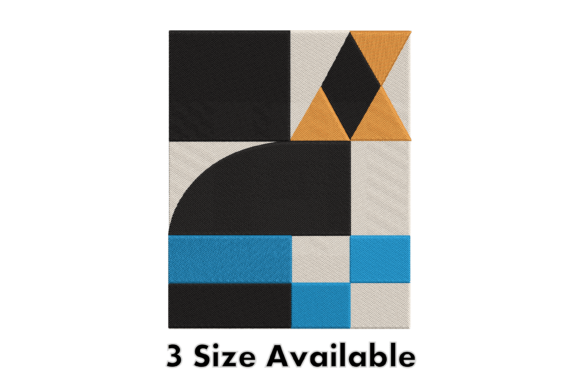
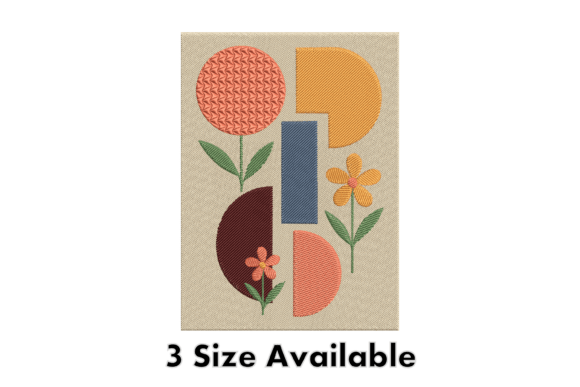
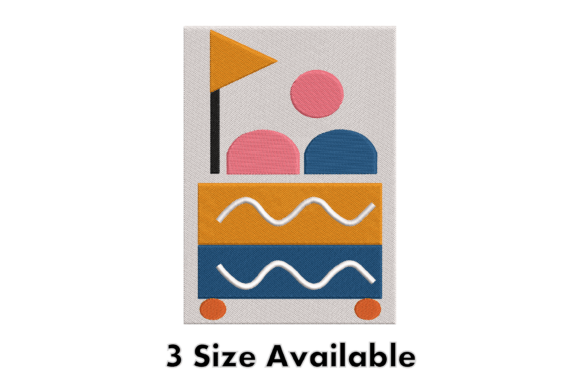
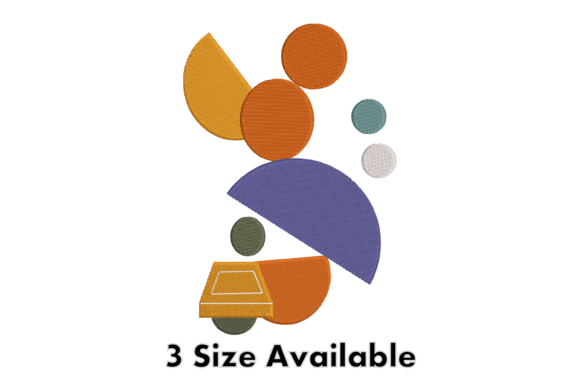
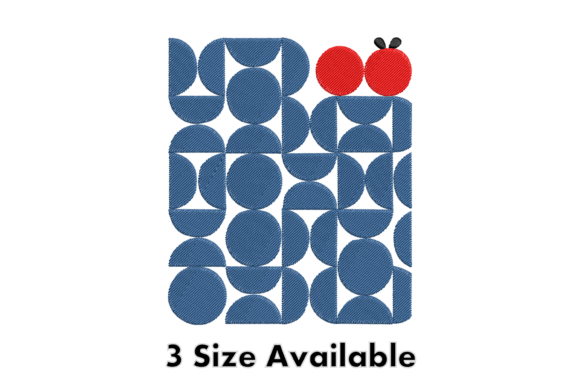
The immediate strength of this machine embroidery design lies in its composition. By breaking the organic form of a ladybug down into triangles, circles, and clean lines, the artist has created something that feels structural rather than just cute. The mood is playful yet sophisticated. In the world of Shapes within Embroidery, geometric interpretations often risk losing the soul of the subject, but here the essence remains intact. The layout suggests a balanced use of space, likely utilizing a mix of fill stitch for the body segments and perhaps satin stitch or running stitch for the defining outlines.
Visually, this design screams versatility. It doesn't demand a specific color palette to work, which is crucial for a working designer. Whether you are stitching in classic red and black for a traditional look or opting for pastels and neutrals for a nursery theme, the geometric foundation holds up. This adaptability makes it an excellent candidate for design assets that need to serve multiple clients with varying brand aesthetics.
Real-World Application: The Boutique Tote Scenario
To truly evaluate an embroidery file, I have to imagine it on a finished product. Let's say I am preparing a batch of canvas tote bags for a local farmer's market or an Etsy shop launch. A standard, overly detailed ladybug might get lost in the weave of heavy canvas or look too cartoonish for an adult customer. However, the Geometric Ladybug Embroidery Design shines here. Its bold shapes translate beautifully onto textured fabrics like denim or heavy cotton twill.
I can picture this stitched onto the corner of a natural-colored tote, acting as a subtle signature rather than a loud statement. For a small shop product, this level of refinement increases perceived value. Customers are increasingly drawn to items that look designed rather than just decorated. If I were selling these as handmade products, I would feel confident pricing them at a premium because the embroidery looks intentional and high-end. It works equally well as a tote bag design accent or a central feature on a sweatshirt embroidery project, offering a modern twist on casual wear.
Navigating Fabric and Hoop Challenges
While the design is strong, practical execution requires caution. Geometric designs rely heavily on crisp lines. If you are working with stretchy fabrics like jersey knits for custom apparel or baby embroidery projects, the stability of your stabilizer choice becomes critical. Any shifting during the stitch-out could distort those perfect angles, turning a sharp triangle into a wobbly mess. I strongly advise testing the design on scrap fabric identical to your final material before committing to a client order.
Furthermore, consider the hoop size. While the description suggests suitability for various items, geometric details can sometimes be dense. If you are attempting this on a curved surface like a cap or a small embroidered patch, ensure the stitch density allows the fabric to breathe. High-density fills on thin fabric can lead to puckering, which ruins the clean aesthetic this design aims for. For dark fabrics, pay close attention to the thread colors selected for the outline; a lack of contrast could make the geometric definition disappear entirely.
Commercial Viability and Brand Consistency
For the Etsy seller or creative entrepreneur, consistency is key to building trust. This design offers a cohesive look that can be easily integrated into a broader brand identity. Imagine a line of holiday embroidery gifts where this ladybug appears alongside other geometric insects or nature elements. The style creates a recognizable visual language for your brand.
When creating printable mockups for digital listings, this design photographs exceptionally well. The clear lines and distinct shapes render sharply in images, helping potential buyers visualize the finished product immediately. This clarity drives buyer engagement. Unlike complex applique design options that might look messy in a thumbnail, the geometric nature ensures the image remains clean even at small sizes.
Designer Notes for Best Results
Before launching this into production, keep these practical tips in mind:
- Test Stitch Density: Run a test on your specific machine to see if the fill areas are too tight for your thread tension settings.
- Check Contrast: Always view your digital preview in black and white to ensure the shape reads clearly without relying on color.
- Verify Licensing: Since this is intended for commercial use, double-check the specific license terms regarding the number of physical items you can sell versus digital redistribution.
- Fabric Selection: Avoid extremely fuzzy fabrics like fleece unless you use a heavy topping, as the texture can obscure the geometric precision.
- Wash Testing: If selling personalized gifts or items meant for frequent washing, wash your test sample to ensure the stitches do not gap or fray.
In conclusion, the Geometric Ladybug Embroidery Design is a robust tool for the modern maker. It moves beyond simple decoration to become a strategic element in product design. Whether you are outfitting a boutique, creating commercial embroidery runs, or making a special personalized gift, this design delivers professional results with a touch of modern flair. Just remember that the quality of the final output depends as much on your preparation and material choices as it does on the digital file itself.