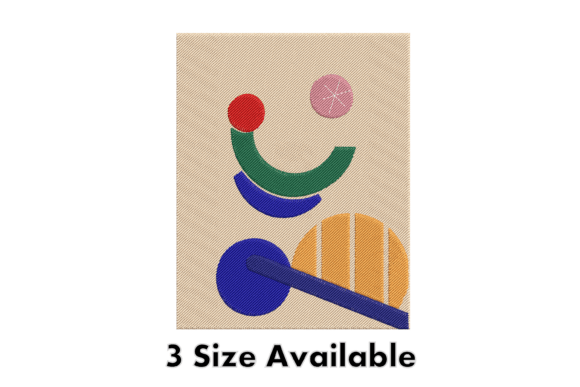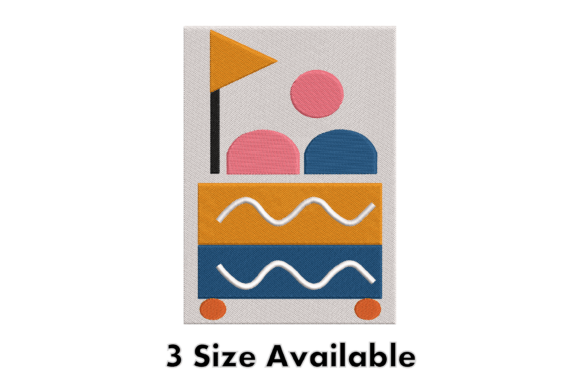
Playful Abstract Embroidery Design Review
As an embroidery designer who has spent years digitizing logos and refining assets for small business merchandise, I approach every new machine embroidery design with a critical eye. It is not enough for a file to look pretty on a screen; it must perform under the needle, withstand industrial washing, and elevate a brand's identity. Today, I am reviewing the Playful Abstract Embroidery Design, a file categorized under Shapes that promises a fun and modern touch. My goal is to determine if this digital embroidery file is suitable for professional applications like branded patches, staff uniforms, and boutique merchandise, or if it is strictly limited to personal nursery decor.
First Impressions: Visual Personality and Brand Fit
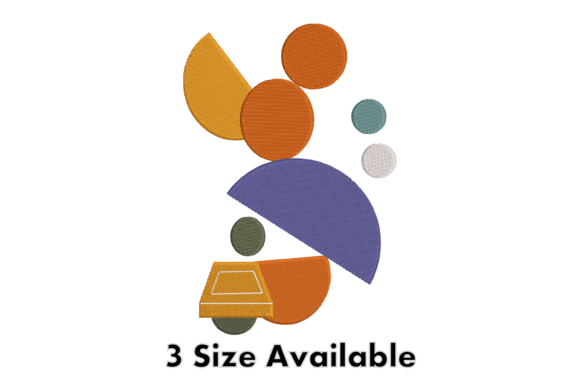
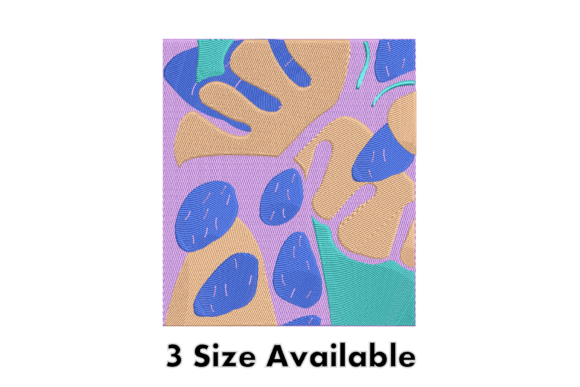
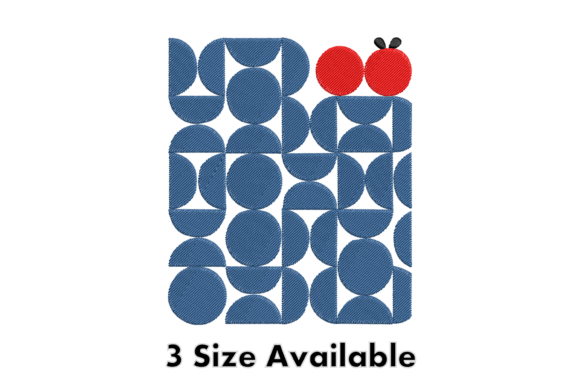
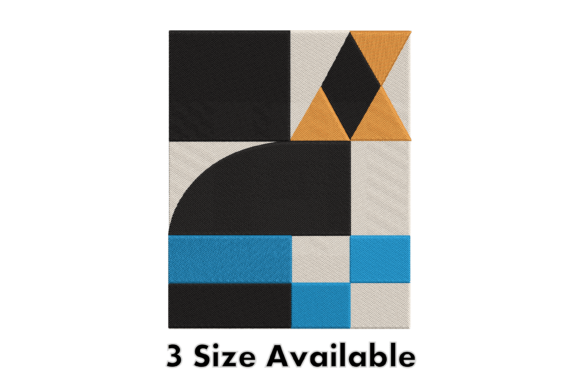
Upon loading the preview of the Playful Abstract Embroidery Design, the immediate impression is one of energy and approachability. The description highlights "bright and bold shapes," which translates visually into a design that feels friendly rather than corporate or rigid. For a small business owner running a creative studio, a local bakery, a florist, or a pet brand, this aesthetic is gold. It signals innovation and warmth without trying too hard.
However, for more traditional industries like law firms or high-end luxury goods, this design might feel too casual. The abstract nature means it relies heavily on thread colors to define its character. In a business context, this versatility is a double-edged sword. It allows for easy customization to match specific brand palettes, but it requires careful selection to ensure the final finished product does not look muddy or childish when scaled down for a chest logo or sleeve detail.
Real-World Application for Small Business Merch
The true test of any embroidery file is its versatility across different substrates. Based on the design's characteristics, here is how I envision the Playful Abstract Embroidery Design performing in real commercial scenarios:
- Embroidered Patches: This is likely the strongest use case. The bold shapes would translate beautifully into a PVC or twill patch. A coffee shop could use this as a collectible item for loyalty programs, or a boutique could sew it onto denim jackets as a value-add service.
- Staff Uniforms and Aprons: For a playful cafe or a children's activity center, this design works exceptionally well as apron embroidery. It breaks up the monotony of solid-colored uniforms and adds a touch of personality that customers notice.
- Tote Bags and Packaging: As a tote bag design, the abstract shapes offer a modern art vibe that elevates a simple canvas bag into a fashion statement. It serves as excellent walking advertising for handmade brands and Etsy sellers.
- Cap Embroidery: While possible, the curved surface of a cap requires careful digitizing. If the shapes are too wide, they may distort on the front panel. It is better suited for the side panel or as a smaller accent on a dad hat.
- Event Merch: For pop-up shops or craft fairs, this design makes for quick, eye-catching gifts that reinforce brand identity without needing complex lettering.
Critical Considerations for Production
While the design is promising, there are specific areas where a professional embroiderer must exercise caution. The description mentions "bright and bold shapes," which often implies high stitch density to achieve solid coverage. When scaling this design for small patch sizes or intricate details on textured fabrics, density can become an issue. Too many stitches in a small area can cause puckering, thread breaks, or a stiff, cardboard-like hand feel.
Furthermore, abstract designs often rely on color contrast rather than outlines to define shapes. On dark uniforms or black apparel, you must ensure the selected thread colors have sufficient luminance to pop. Without proper contrast, the design will disappear into the background, failing to deliver the intended visual impact. Additionally, if the design includes any tiny elements, these may not survive frequent industrial washing, making it less ideal for work shirts that undergo heavy abrasion.
Impact on Brand Identity and Customer Trust
In the world of small business merch, consistency is key. Using a cohesive set of design assets helps build recognition. The Playful Abstract Embroidery Design can serve as a secondary mark—a visual shorthand for your brand's personality. When a customer sees this specific pattern on a tote bag, a pillow, or a patch, they should immediately associate it with your business.
A well-executed embroidery job conveys professionalism. Sloppy stitching or poor fabric choices, however, can damage trust. Because this design leans towards the "fun" side, it humanizes the brand. It tells the customer that the business is creative, accessible, and attentive to detail. For handmade product creators, adding this level of custom custom apparel detailing increases the perceived value of the item, allowing for higher price points and better customer engagement.
Practical Designer Notes and Testing Protocol
Before committing to a large production run or selling this as part of your inventory, I recommend following a strict testing protocol. Since the exact stitch count, file formats, and specific hoop requirements are not detailed in the basic description, you must verify these technical specs with the vendor.
- Test in Black and White: Convert the design to monochrome in your editing software. This reveals if the shapes hold their form without relying on color differentiation. If it falls apart in grayscale, it may lack definition.
- Check Small Scale Legibility: Stitch the design out at the smallest size you intend to use (e.g., 1.5 inches). Ensure no details merge together.
- Review Thread Contrast: Physically pull the thread colors against your intended fabric. Screen colors often lie; physical thread might clash or blend too much.
- Inspect Spacing and Density: Look for gaps between color blocks that show the fabric underneath unintentionally.
- Confirm Hoop Size: Ensure the design fits within your available hoop options, especially if using multi-head machines with limited field sizes.
- Test on Real Fabric: Always do a run-out on the actual material you plan to sell. A design that looks great on cotton twill might fail on a stretchy jersey or a rough canvas.
- Use Proper Stabilizer: Given the bold shapes, choose a stabilizer that prevents shifting but doesn't add unnecessary bulk.
- Create a Printable Mockup: Before stitching, generate a printable mockup to show clients or visualize the placement on a garment.
- Compare Beside Other Assets: Place this design next to your primary logo. Do they complement each other, or do they fight for attention?
- Confirm Commercial Licensing: Crucially, verify that the license allows for commercial embroidery and resale of finished goods. Do not assume a standard download includes unlimited business rights.
In conclusion, the Playful Abstract Embroidery Design offers a vibrant opportunity for businesses looking to inject personality into their merchandise. Whether used for an embroidered patch series or as a unique accent on cap embroidery projects, its success lies in thoughtful execution. By respecting the limitations of the medium and rigorously testing the file, small business owners can transform this digital asset into a tangible tool for growth and brand storytelling.