Geometric Pattern Embroidery Design Review for Brands
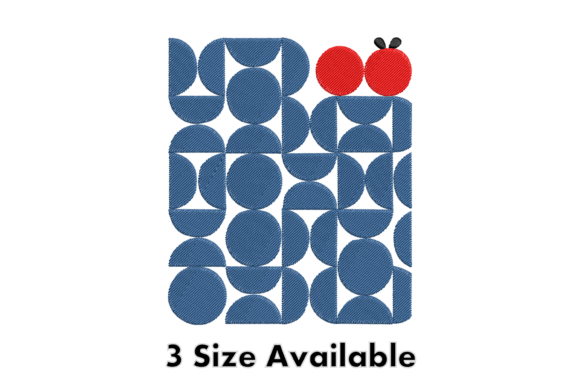
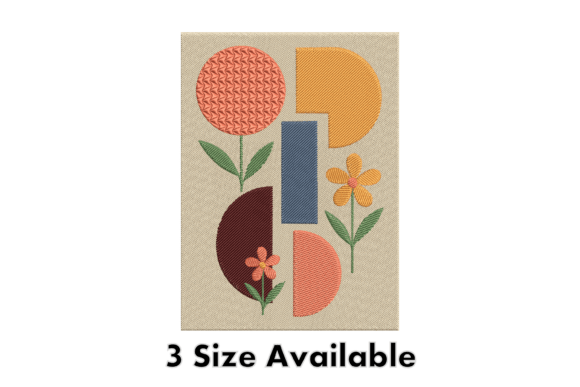
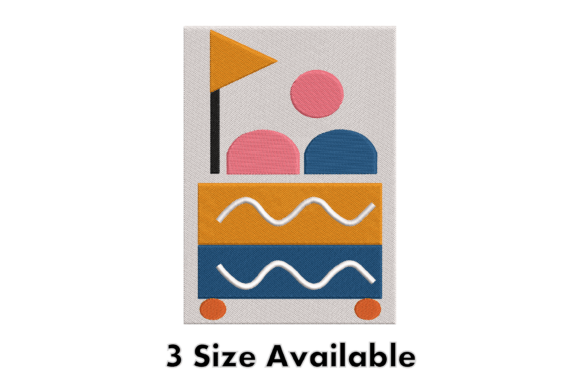
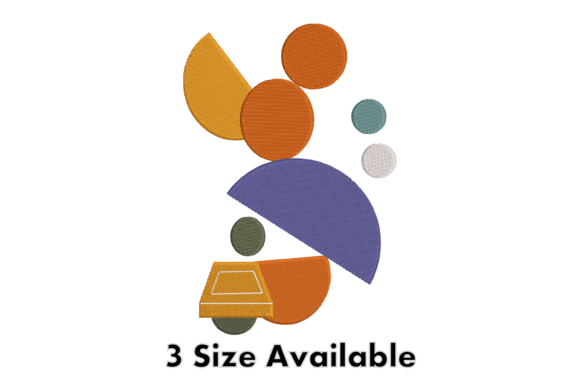
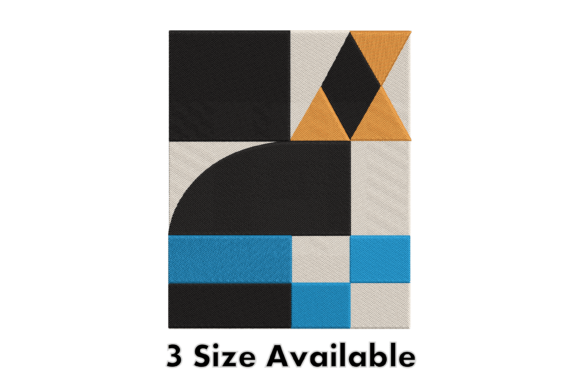
As an embroidery designer who has spent years digitizing logos and refining assets for small business merchandise, I approach every new machine embroidery design with a critical eye. It is not enough for a file to look pretty on a screen; it must perform flawlessly on fabric, withstand industrial washing, and elevate a brand's identity. Today, I am reviewing the Geometric Pattern Embroidery Design, a digital asset that promises bold abstraction through a combination of squares, triangles, and arches. For boutique owners, café managers, and handmade product creators, this review evaluates whether this file is ready for commercial application on patches, uniforms, and custom apparel.
First Impressions: Modern Boldness Meets Versatility
Upon loading the digital embroidery file, the immediate visual impact is one of modern confidence. The interplay of rigid squares and dynamic arches creates a rhythm that feels neither too rustic nor overly corporate. Instead, it strikes a balance that is perfect for contemporary brands—think creative studios, urban bakeries, or pet supply boutiques looking to shed traditional imagery for something more graphic. The description notes a "bold abstract style," and in practice, this translates to high visibility. For a small business owner, this is crucial. Your logo or accent mark needs to be recognizable from a distance, whether it is stitched onto a barista's apron or a customer's tote bag.
The inclusion of three sizes in the package is a significant value add. In the world of commercial embroidery, versatility is king. Having the ability to scale the design allows us to use the largest version for a back-of-shirt statement and the smallest for a subtle chest pocket accent or a hat front without needing to re-digitize the artwork. This flexibility makes it an excellent candidate for building a cohesive set of design assets for a new brand launch.
Real-World Application for Small Business Merch
Let's imagine a local coffee shop wanting to upgrade their staff uniforms. The Geometric Pattern Embroidery Design works exceptionally well here as an apron embroidery detail. Placed on the bib or the side panel, the geometric shapes add a touch of artistic flair that distinguishes the staff from generic service workers. Similarly, for a florist or a craft store, this design serves as a fantastic tote bag design. When stitched onto canvas, the clean lines of the triangles and arches hold up beautifully against the texture of the fabric, creating a handmade product feel that customers love to carry.
For those running an Etsy shop or a clothing line, this file is ideal for creating an embroidered patch. Patches are a low-risk, high-reward way to test new branding. You can stitch this geometric pattern onto twill backing, cut it out, and apply it to denim jackets, caps, or backpacks. Because the design relies on shapes rather than intricate lettering, it remains legible even when reduced in size for a patch application. This makes it a powerful tool for small business merch strategies where budget and production speed are key factors.
Ideal Use Cases for This Design
- Staff Uniforms: Perfect for polo shirts and work shirts where a professional yet creative look is required.
- Headwear: The bold lines translate well to cap embroidery, provided the curvature of the hat is accounted for during hooping.
- Packaging Accents: Use smaller versions on fabric tags attached to product packaging to enhance the unboxing experience.
- Event Merchandise: Great for limited-run t-shirts at markets or pop-up shops, appealing to both men and women as noted in the product details.
Technical Considerations and Potential Pitfalls
While the aesthetic appeal is strong, a professional reviewer must address the technical realities of stitching. The description highlights a combination of squares, triangles, and arches. In embroidery, sharp corners (like those in squares and triangles) can sometimes cause thread bunching if the stitch density is too high or if the underlay is insufficient. Before running a full production batch, I strongly advise testing the design on a scrap piece of your actual fabric.
Special care is needed when applying this to textured fabrics or dark uniforms. If you are stitching light thread colors on a black chef's coat, ensure there is adequate coverage to prevent the dark fabric from showing through the geometric gaps. Conversely, on thick towels or looped cotton, the fine points of the triangles might get lost. This is where the choice of stabilizer becomes critical. A cut-away stabilizer is often recommended for garments that will undergo frequent washing, ensuring the geometric integrity remains intact over time.
Furthermore, when using this for cap embroidery, remember that the front panel is curved. Designs with long horizontal lines or large solid blocks can distort on a curve. Since this pattern uses arches, it may actually complement the curve of a cap better than a strictly rectangular logo, but a test run on a pre-curved buckram is essential. Always verify the hoop size requirements for the specific machine you are using, as the largest size included in the file may require a jumbo hoop.
Elevating Brand Identity and Customer Trust
In today's market, visual consistency builds trust. Using a high-quality embroidery file like the Geometric Pattern Embroidery Design signals to your customers that you pay attention to detail. A sloppy or pixelated logo suggests a sloppy business; a crisp, well-stitched geometric pattern suggests professionalism and quality. This design helps establish a brand identity that is modern and reliable.
When customers see this level of finish on a finished product, whether it is a uniform or a retail item, their perceived value of the brand increases. It transforms a simple t-shirt into a piece of custom apparel that people want to wear. For handmade brands, this differentiation is vital. It moves your items from "crafty" to "curated," allowing you to command higher price points and foster deeper buyer engagement.
Professional Designer Notes for Production
- Test in Monochrome First: Before committing to specific thread colors, stitch the design in black and white to check for contrast issues and shape definition.
- Verify Sizing: Ensure the smallest size included in the file is still legible for your intended embroidered patch or sleeve detail.
- Fabric Matching: Test on the exact fabric weight you plan to use; fabric texture can drastically alter how the arches and squares appear.
- Create a Mockup: Generate a printable mockup or a physical sample for client approval before starting a large run.
- Check Licensing: Confirm the commercial licensing terms of the digital embroidery file to ensure you are cleared for resale or mass production.
- Review Stitch Count: While exact counts vary by machine, ensure the density does not overwhelm lightweight fabrics like thin t-shirts.
In conclusion, the Geometric Pattern Embroidery Design is a robust asset for any small business looking to enhance their merchandise. Its abstract nature allows it to fit various industries, from cafes to fashion boutiques. However, its success relies on proper technical execution. By respecting the nuances of stitch density, choosing the right stabilizer, and testing thoroughly, this design can become a cornerstone of your brand's visual language. It is not just a decoration; it is a strategic tool for building a recognizable and professional brand presence in the physical world.